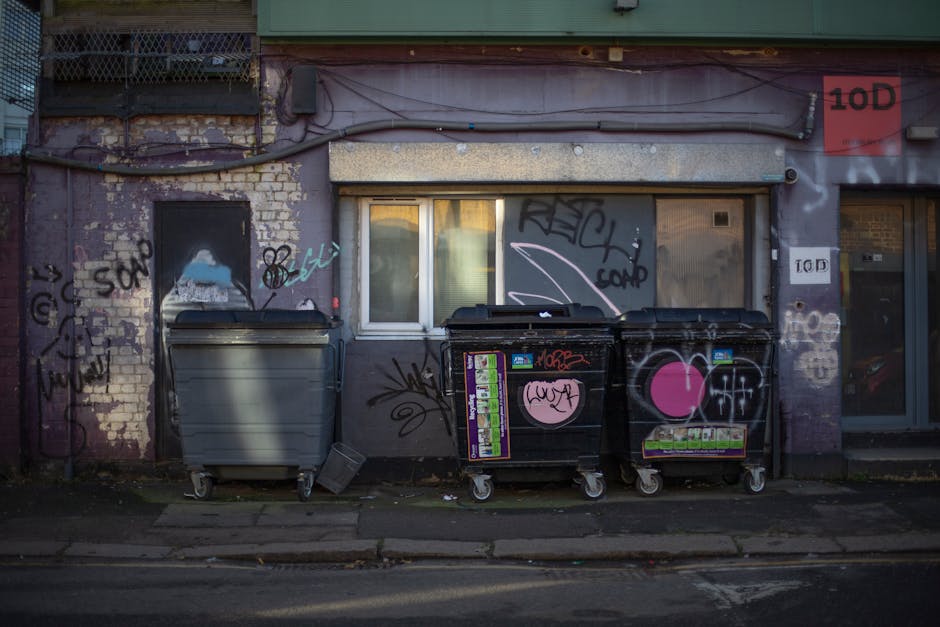
Powis Street rubbish collection times and booking tips
If you are trying to clear rubbish from Powis Street, the two things that usually matter most are timing and booking. Get them right and the job feels straightforward. Get them wrong and you can end up with missed collections, awkward access issues, or bags sitting around longer than you wanted. This guide on Powis Street rubbish collection times and booking tips is here to make the process easier, especially if you are dealing with a flat clear-out, a shop refit, a garden tidy-up, or just a big pile of awkward waste that needs shifting without fuss.
To be fair, waste removal is rarely exciting. But it does become much less stressful when you know how collection windows work, what information to have ready, and how to book in a way that avoids delays. Below, you will find practical steps, local considerations, and a few small expert tips that can save time, money, and a bit of sanity.
For readers looking for related support across the area, it can also help to explore general waste removal services, man and van removals, and house clearance options before you book. If you are handling a bigger job, those pages can give you a better sense of the service type you actually need.
Table of Contents
- Why Powis Street rubbish collection times and booking tips Matters
- How Powis Street rubbish collection times and booking tips Works
- Key Benefits and Practical Advantages
- Who This Is For and When It Makes Sense
- Step-by-Step Guidance
- Expert Tips for Better Results
- Common Mistakes to Avoid
- Tools, Resources and Recommendations
- Law, Compliance, Standards, or Best Practice
- Options, Methods, or Comparison Table
- Case Study or Real-World Example
- Practical Checklist
- Conclusion
- Frequently Asked Questions
Why Powis Street rubbish collection times and booking tips Matters
Rubbish collection sounds simple on paper. In practice, the timing can make or break the whole experience. Powis Street sits in a busy London environment where access, parking, foot traffic, loading space, and neighbours all affect how smoothly a collection runs. If you leave bags out too early, they can get in the way. If the booking slot is too tight, the crew may arrive to find no clear access. If the job is left until the last minute, you may end up paying more or waiting longer than planned.
That is why understanding collection times is not just about convenience. It is about planning the day properly. A well-timed rubbish collection helps with:
- keeping shared entrances clear
- reducing disruption to residents, shoppers, or staff
- avoiding missed pickups caused by access problems
- preventing waste from sitting out in bad weather
- making it easier to separate bulky items, recyclables, and general waste
There is also the simple human side of it. Nobody wants to wake up to a pavement cluttered with sacks, cardboard, or broken bits of furniture. The smell alone on a warm day can be enough to make a small job feel twice as big. A little planning goes a long way.
If your job is part of a larger clear-out, you may also want to look at rubbish collection service details and office clearance support so you can match the service to the type of waste. That is often where people save the most time. Not by rushing, but by choosing correctly.
How Powis Street rubbish collection times and booking tips Works
Most rubbish collection bookings follow a fairly simple pattern. You request a slot, describe the waste, confirm the location, and agree on a collection window. The actual timing can vary depending on the size of the job, traffic, loading access, and how the provider organises routes across London. On a street like Powis Street, timing matters more than people sometimes expect, because a van may need a practical stopping point and a clear path to the waste.
In plain English, this is how it usually works:
- You describe what needs removing, including approximate volume and type of rubbish.
- You share the exact pickup location and any access notes, such as a flat, rear alley, loading bay, or timed entry.
- You get a collection window rather than an exact minute-by-minute promise.
- You prepare the waste so it is ready when the team arrives.
- The crew loads the items, checks the final amount, and completes the job.
That collection window is worth understanding. In busy London streets, it is normal for arrivals to be grouped in a route rather than fixed to the second. If you have ever waited for a delivery and watched the clock creep forward, you will know the feeling. Waste collection can be a bit like that. A sensible booking includes a buffer.
For more specialised jobs, such as heavier or awkward waste, it may help to review bulk waste disposal and garage clearance. These services are especially useful when the item list goes beyond just a few bin bags.
Key Benefits and Practical Advantages
When your booking is planned properly, the benefits show up quickly. Less clutter. Less stress. Less back-and-forth. And, frankly, fewer unpleasant surprises on the day.
| Approach | What it usually helps with | Best for |
|---|---|---|
| Same-day or fast collection | Quick turnaround, urgent clear-outs, reducing mess fast | Unexpected waste, last-minute move-outs |
| Pre-booked time slot | Better planning, fewer access issues, lower stress | Households, shops, offices, landlords |
| Bulk-item collection | Handling large or heavy items safely | Furniture, appliances, mixed bulky waste |
| Full clearance service | Clearing multiple item types in one visit | Lofts, basements, flats, end-of-tenancy jobs |
The strongest practical advantage is flexibility. A good booking gives you enough structure to plan, but enough realism to account for London traffic and street access. Truth be told, that balance is what most people actually need.
Another plus is control. If you know the time window and the booking steps, you can organise the property before anyone arrives, separate recycling from general waste, and avoid paying for unnecessary waiting time. Small thing, big difference.
For recurring or larger property management needs, pages like property clearance and loft clearance can be useful next steps. They help you think beyond one-off rubbish and plan a cleaner long-term solution.
Who This Is For and When It Makes Sense
This kind of service makes sense for more people than you might think. It is not just for major renovations or big commercial clear-outs. Often, it is for the awkward in-between jobs that pile up quietly in the corner.
- Homeowners clearing out old furniture, broken appliances, or renovation waste
- Renters getting ready to move out and needing a quick reset
- Landlords and letting agents dealing with end-of-tenancy leftovers
- Local businesses removing packaging, shelving, displays, or office clutter
- Tradespeople wanting mixed construction waste removed after a job
- Anyone with limited time who wants the waste gone without making several trips
It makes particular sense when access is awkward. Around a busy street like Powis Street, getting items out of a property and into a vehicle can be the hardest part. Narrow stairwells, parked cars, shared entrances, and timed loading all add friction. If your property has that kind of setup, booking with a realistic collection window is smart, not fussy.
There is also a simple rule of thumb: if your waste would take more than one normal carload, or includes items that are too bulky to leave in standard bins, it is probably time to plan a proper collection. No drama. Just practical.
Step-by-Step Guidance
If you want a smooth pickup, the booking process should feel orderly from the start. Here is a practical way to handle it.
1. Sort the waste first
Before booking, walk through the property and group the items. Separate general rubbish, recyclables, bulky items, electricals, and anything that may need special handling. You do not need to make it perfect, just clear enough to describe accurately. This is where many people save themselves trouble later.
2. Estimate the amount honestly
It is tempting to understate the volume, especially when you are hoping to keep costs down. But if the load is bigger than expected, the collection can take longer or require a different vehicle. Be honest with yourself. A half-full room is not the same as a couple of bin bags.
3. Check the access conditions
Think about where the van can stop, where the crew can walk, and whether there are stairs, gates, or timed restrictions. If there is a loading bay or narrow side access, mention it. That small bit of detail can stop a lot of wasted time.
4. Pick a collection window that fits your day
A morning collection works well if you want the rest of the day free. An afternoon slot may be easier if you need time to finish sorting. If you are on a tight schedule, leave a little breathing room. London roads do not always play along, and that is just life.
5. Prepare the items before arrival
Put bags in one place. Move bulky items near the exit if it is safe to do so. Keep walkways clear. If you can, separate anything that should not get wet, especially cardboard or paper on a damp morning. The sound of a bag being dragged down stairs at 7am is nobody's idea of fun.
6. Confirm what is and is not accepted
Ask about restricted waste before the day arrives. Most providers can explain what they do and do not take, and that is much better than guessing. If you have a mixed load, be especially careful with items that may need separate treatment.
7. Stay reachable during the window
If the crew needs a quick answer about access, gate codes, or loading space, being contactable makes the whole thing smoother. A missed call at the wrong moment can create an annoying delay that nobody wanted.
For complex clearances, it may also help to review end-of-tenancy clearance and commercial clearance. Different property types tend to need different preparation, and it pays to match the service to the job.
Expert Tips for Better Results
Here are the sorts of small practical details that make collections go more smoothly. Not flashy. Just useful.
- Book earlier than you think you need to. If the job matters, give yourself a buffer. Last-minute bookings can still work, but they leave less room for flexibility.
- Send photos if requested. A few clear images of the waste and access route can prevent misunderstandings. Especially for bulky or mixed loads.
- Keep pathways clear. Even a neat pile can become awkward if it sits behind a narrow door or across a stair landing.
- Group similar waste together. Cardboard with cardboard, furniture with furniture. It makes loading quicker and helps avoid confusion.
- Think about neighbours. If you are in a shared building, a heads-up can help, particularly for early-morning collections.
- Ask about final confirmation. It is reassuring to know what happens if the job is larger than expected, or if access turns out to be tighter than planned.
One small but important point: do not leave everything for the last five minutes. It always sounds doable until the clock is running, the lift is busy, and one heavy cupboard refuses to fit through the hall. Happens all the time.
For a more involved property job, the guidance on flat clearance and furniture disposal can help you plan the move in a more sensible order.
Common Mistakes to Avoid
Most collection problems are not dramatic. They are usually small, avoidable mistakes that snowball a bit.
- Guessing the waste volume. This is the big one. If you guess badly, the booking may not match the job.
- Not mentioning access limits. Low bridges, narrow roads, coded doors, parking restrictions, and stairs all matter.
- Leaving items mixed together. This can slow loading and make it harder to explain the job clearly.
- Forgetting to check restricted items. Certain waste streams may need different handling, so ask in advance.
- Booking too tightly around other commitments. A collection window is a window, not a stopwatch.
- Putting waste out too early in shared spaces. That can create clutter and even cause complaints.
There is also the classic mistake of assuming the cheapest option is always the best one. Sometimes it is. Sometimes it is the one that leaves you doing extra work. Cheapest on paper, pricier in real life. Not ideal.
If you are comparing service styles, pages such as skip hire alternative can help you weigh convenience against the type of job you have. That comparison often changes the decision.
Tools, Resources and Recommendations
You do not need a complicated toolkit to prepare for a rubbish collection, but a few simple things help.
- Sticky notes or labels for marking keep, recycle, and remove piles
- Strong bags or boxes for loose waste and mixed household clutter
- A tape measure if you are checking whether bulky furniture can be moved safely
- Phone photos for booking reference and access notes
- A simple floor plan or written note if the collection point is not obvious
From a planning point of view, the most useful resource is often a clear service description. That is why it helps to browse pages such as rubbish removal, waste collection, and same-day rubbish removal. They can help you decide whether you need a quick turnaround or a more measured appointment.
If your job involves a business premises, you may also benefit from looking at retail clearance. It is a handy fit for shop stock, packaging, display units, and the kind of clutter that builds up behind the scenes when nobody is looking.
Law, Compliance, Standards, or Best Practice
Waste removal in the UK comes with a simple but serious principle: rubbish must be handled responsibly. You do not need to become an expert in regulations to book a collection, but it does help to understand the basics. In everyday terms, that means the waste should be sorted properly, moved safely, and passed to a provider who can handle it lawfully.
Best practice usually includes the following:
- describing the waste honestly at booking stage
- checking whether any items need special handling
- keeping access safe for workers and residents
- avoiding fly-tipping or leaving waste in places where it should not be placed
- using a service that can explain what happens to the waste afterwards in plain English
If your rubbish includes electrical items, sharp materials, or heavier objects, extra care is sensible. The same goes for anything damp, stained, or likely to spill. These details are not just paperwork; they affect safety on the day. A bit of caution here is normal and wise.
For landlords, business owners, and property managers, the compliance side becomes even more important. Clear record-keeping and proper disposal habits reduce hassle later. That is one reason many people prefer a structured service rather than trying to manage everything ad hoc.
Options, Methods, or Comparison Table
There are usually a few ways to clear rubbish from Powis Street, and the best one depends on time, waste type, and access. Here is a simple comparison.
| Method | Pros | Cons | Best for |
|---|---|---|---|
| Pre-booked collection | Predictable, easier to plan, less disruption | Needs some organisation in advance | Most homes and businesses |
| Same-day collection | Fast turnaround, helpful in urgent situations | Less flexibility, may depend on route availability | Urgent clear-outs, last-minute removals |
| Skip-style approach | Useful for ongoing work or larger projects | Can be less practical where access is tight | Renovations, repeated waste over time |
| Full clearance service | Takes care of multiple item types in one visit | May be more than you need for a tiny job | Lofts, garages, flats, offices |
In a busy street setting, a collection-based service is often the most convenient. You get a crew that arrives, loads, and leaves without requiring space for a skip or multiple trips to a disposal site. That convenience is often the deciding factor.
Case Study or Real-World Example
Imagine a small flat near Powis Street after a tenancy ends. There is a broken wardrobe, a mattress, several bin bags, and some loose cardboard from old deliveries. The tenant wants the place cleared quickly, the landlord wants the handover to go smoothly, and the building has a narrow entrance with limited waiting space outside.
In a case like that, a rushed booking can go wrong in a few ways. The collection team may arrive and find the items scattered across different rooms. The access route may be blocked by bags. The booking may not account for the mattress being larger than expected. Nothing terrible, but enough to slow everything down.
A better approach would be:
- sort and group the items the day before
- take a few photos of the waste and the doorway
- mention the stairs, entrance width, and any parking limits
- choose a collection window with enough breathing space
- keep the hall clear so the crew can move quickly and safely
The result is usually calmer, quicker, and less awkward for everyone involved. Not perfect, because real life rarely is, but much smoother. And that matters when you are trying to hand over a property without stress.
Practical Checklist
Use this checklist before your collection day. It is the sort of thing you can skim in under a minute, which is handy when time is tight.
- Have I listed everything that needs removing?
- Have I estimated the load size honestly?
- Have I checked access, parking, stairs, and entrance details?
- Have I confirmed the collection window and who will be on site?
- Have I separated anything that may need special handling?
- Have I moved items into a safe, reachable place?
- Have I taken photos in case I need to confirm details later?
- Have I made neighbours, tenants, or staff aware if needed?
- Have I asked what happens if the load is bigger than expected?
- Have I kept my phone charged and reachable during the window?
Practical summary: The best Powis Street rubbish collection is usually the one that is booked clearly, timed realistically, and prepared properly before the crew arrives. Simplicity wins more often than people think.
Conclusion
Powis Street rubbish collection times and booking tips come down to a simple idea: good waste removal is mostly good planning. If you understand the timing window, explain the access clearly, and prepare the items in advance, the whole process becomes much easier. That is true whether you are clearing a flat, a shop, an office, or a messy corner of the garage that has been ignored a bit too long.
The real advantage is peace of mind. You know what is happening, when it is happening, and what the crew needs from you. No guessing. No rushed last-minute scramble. Just a cleaner space and a job properly done.
If you are still comparing your options, take a moment to review the service pages that match your property type and waste volume, then book with confidence. Small decisions now can save a lot of hassle later.
Get a free quote today and see how much you can save.
And if there is one final thought to leave you with, it is this: a clear space has a way of clearing your head too. Funny how that works.
Frequently Asked Questions
What are the best times to book rubbish collection on Powis Street?
The best time depends on your access needs and how busy the area is around your property. Morning slots often work well if you want the area cleared early, while midday or afternoon can suit jobs that need more preparation time. The key is to leave a buffer rather than booking too tightly.
How far in advance should I book a rubbish collection?
As early as possible is usually best, especially if you need a specific day or have awkward access. Some collections can be arranged quickly, but popular time slots can fill up. If your job is time-sensitive, do not leave it until the last minute.
Can I book a same-day rubbish collection?
In many cases, yes, depending on route availability and the size of the job. Same-day collection is useful for urgent clear-outs, but you may have less flexibility. It works best when you can give clear details quickly and have the waste ready.
What information do I need when booking?
You will usually need the collection address, a description of the waste, approximate volume, access details, and any notes about stairs, parking, or gated entry. Photos can help too, especially for bulky or mixed items.
How do I estimate how much rubbish I have?
A simple room-by-room walk-through is usually enough. Group the waste and compare it to familiar objects, such as a few bin bags, a sofa, or the contents of a cupboard. If you are unsure, describe the load honestly rather than guessing low.
What happens if the collection team cannot access the property?
If access is blocked, the team may need to wait, reschedule, or adjust the job. This is why it helps to mention parking, gate codes, stair access, and loading restrictions before booking day. A few details can save a lot of wasted time.
Are there items that usually need special handling?
Yes, some items may need extra care or separate treatment, especially electricals, sharp materials, damp waste, or very heavy objects. It is always best to ask in advance rather than assume everything can be taken the same way.
Is it better to use rubbish collection or a skip?
That depends on your job. Collection is often better for busy streets, mixed waste, or jobs that need quick removal. A skip may suit longer projects where waste is produced over several days. If access is tight, collection can be much easier.
How should I prepare waste before the team arrives?
Put items in a clear, reachable place, separate bulky goods from loose rubbish, and keep pathways free. If possible, label piles so nobody has to guess what is going. It sounds basic, but it makes a noticeable difference.
Will I pay more if the collection takes longer than expected?
Possibly, depending on how the service is priced and whether the load turns out to be larger than described. That is why accurate booking details matter. Clear photos and honest estimates help avoid awkward surprises.
What should landlords and agents do differently?
They should document the waste clearly, confirm access details, and make sure the service matches the property type. End-of-tenancy jobs often include mixed waste, furniture, and leftover packaging, so a broader clearance service may be more efficient.
Can businesses on Powis Street arrange collections outside normal hours?
In some cases, yes, but this depends on the provider and the local access situation. Early or later windows can be useful for shops and offices that want to avoid interrupting customers or staff. It is worth asking when you book.